Non-Ferrous Metal Separation: Blue Sorter
Zato’s Blue Sorter delivers efficient non-ferrous metal separation, positioned downstream of a ferrous separation plant to recover metals such as aluminium, copper, brass and other light alloys. Careful separation of these fractions does more than reduce the environmental impact of waste: it represents a significant economic opportunity thanks to the intrinsic value of the recovered material. By isolating clean, high-purity non-ferrous streams, the line raises the market value of every load and completes the recycling process started by shredding and ferrous separation upstream.

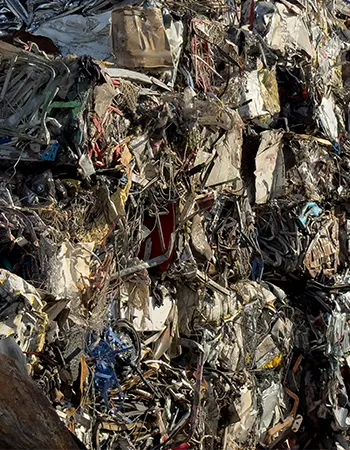
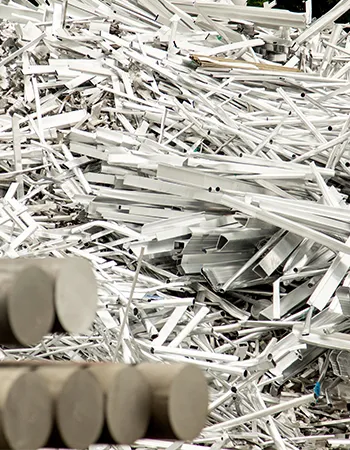
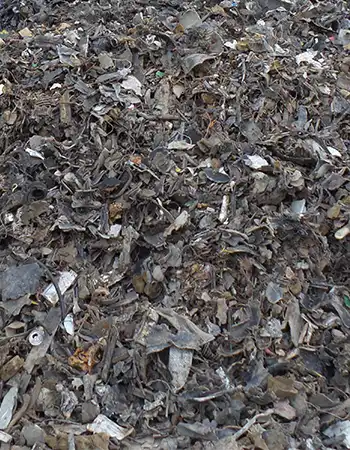
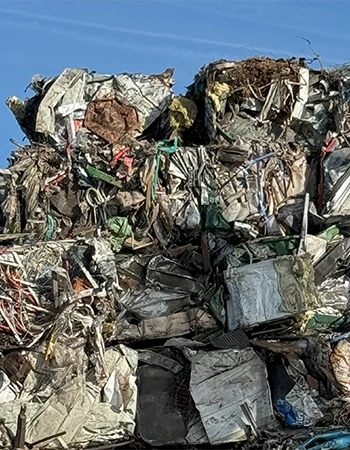
Where non-ferrous metal separation lines fit
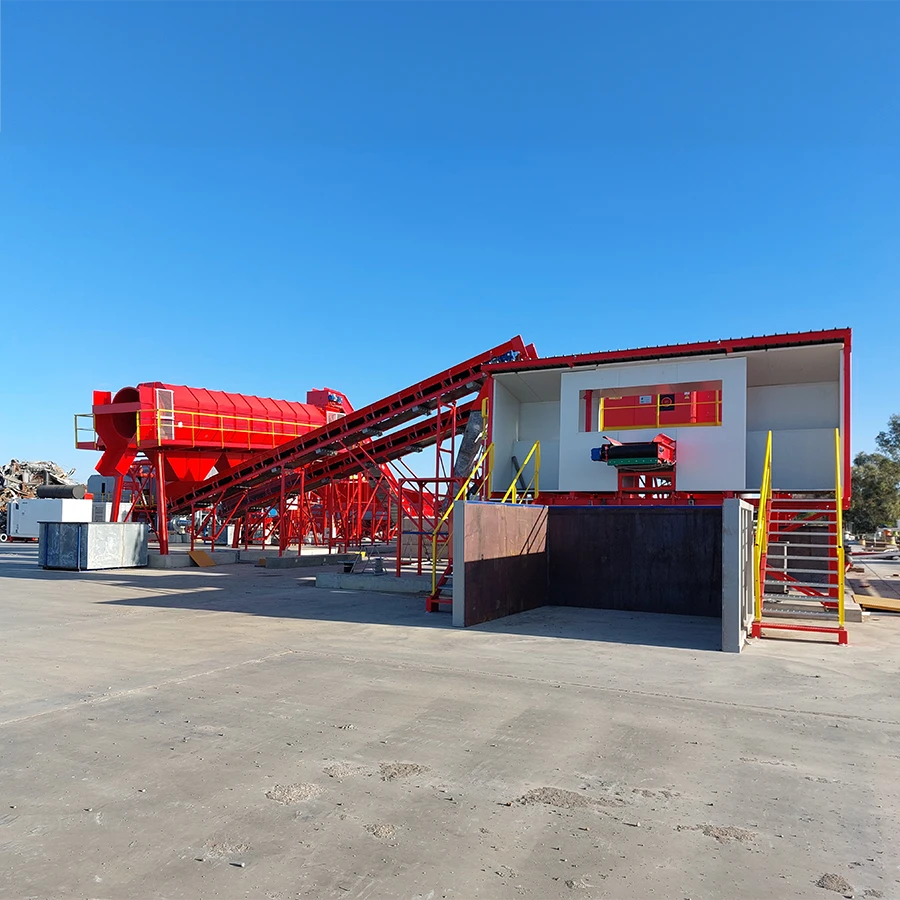
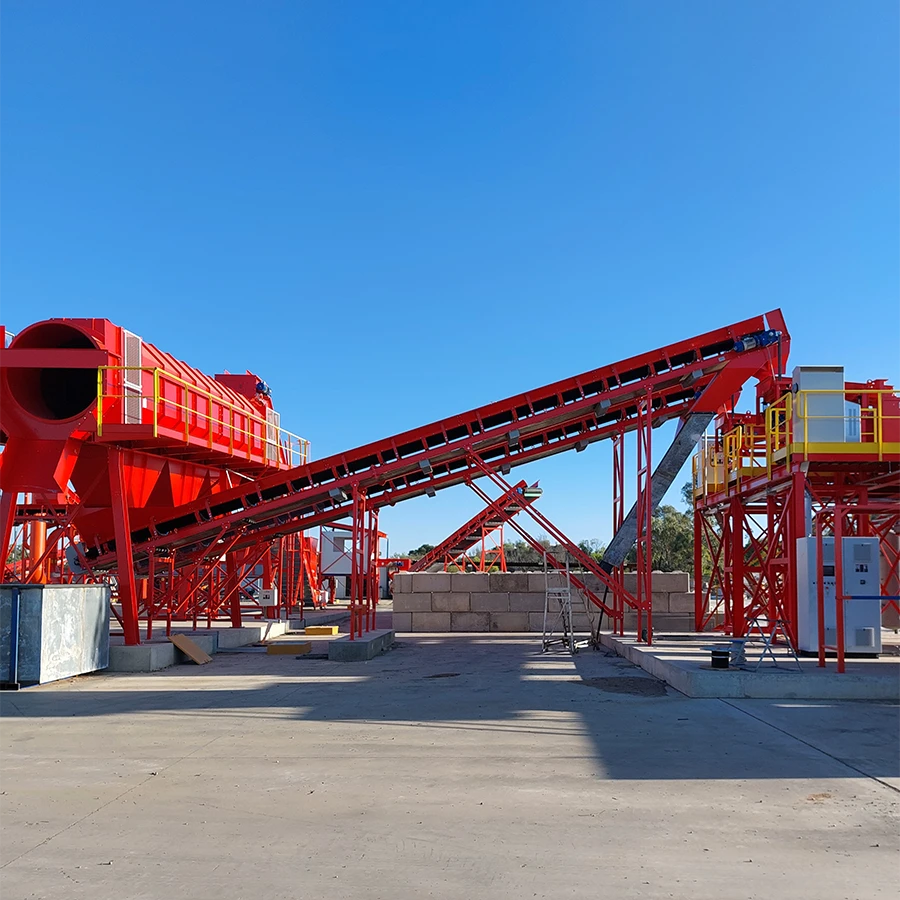
Zato non-ferrous metal separation lines are placed after the ferrous separation stage to capture the value that magnets leave behind. Working as complete non-ferrous metal separation plants, they combine transport, sizing and sensor technologies so that aluminium, copper and brass are recovered as distinct, high-purity products rather than a mixed residue. The result is cleaner fractions, less waste sent to disposal and a better price for the metals you sell.
Technologies used
- Conveyor belt and sorting systems: transport and distribute material along the line, ensuring a continuous flow matched to each separation technique.
- Trommel: a rotating, perforated, and inclined cylindrical drum that separates material by size.
- Eddy-current separators: generate an alternating magnetic field that induces currents in non-ferrous metals, making them jump out of the material stream.
- X-ray and optical sensors: detect and separate non-ferrous metals by chemical composition and physical properties for precise sorting.
FAQ
What is non-ferrous metal separation and why does it matter?
Non-ferrous metal separation is the process of recovering metals that are not attracted by magnets — such as aluminium, copper and brass — from a shredded, mixed stream. It matters because these metals have high intrinsic value: isolating them as clean fractions increases revenue and reduces the amount of material sent to
How does an eddy-current separator work?
An eddy-current separator generates a rapidly alternating magnetic field that induces electric currents inside non-ferrous metals. These currents create a repulsive force that makes the metals jump out of the material flow, separating them from inert and non-metallic material. On Zato’s non-ferrous lines, eddy-current units are combined with trommels and sensor sorting for higher purity.
Where is a non-ferrous separation line installed in the process?
It is installed downstream of the ferrous separation plant, after shredding. Once magnets have removed the ferrous fraction, the remaining material is sent to the non-ferrous line to recover aluminium, copper, brass and other alloys. Zato designs the Blue Sorter to integrate directly with the upstream ferrous stage to increase overall efficiency.
What level of purity can be achieved with non-ferrous separation?
Purity depends on the input material and the technologies combined, but by pairing eddy-current separation with trommels, X-ray and optical sensors a line can deliver high-purity, market-ready fractions. Zato configures each non-ferrous line around the specific input and target output, and can scale it as the yard grows.
Can the non-ferrous line be expanded over time?
Yes. Zato builds its separation plants with a modular architecture, so a yard can begin with the essential units and add eddy-current separators, inductive sensors, X-ray (XRT, XRF) or LIBS technologies later. This allows recovery and purity to be improved progressively without replacing the existing line.
Do you need more information?
Fill out the form, and we will respond to you as soon as possible!
You are reaching out to Zato Europe. If you would like to contact Zato North America, click here