Magnetic Separation Plants: Blue Sorter Ferrous
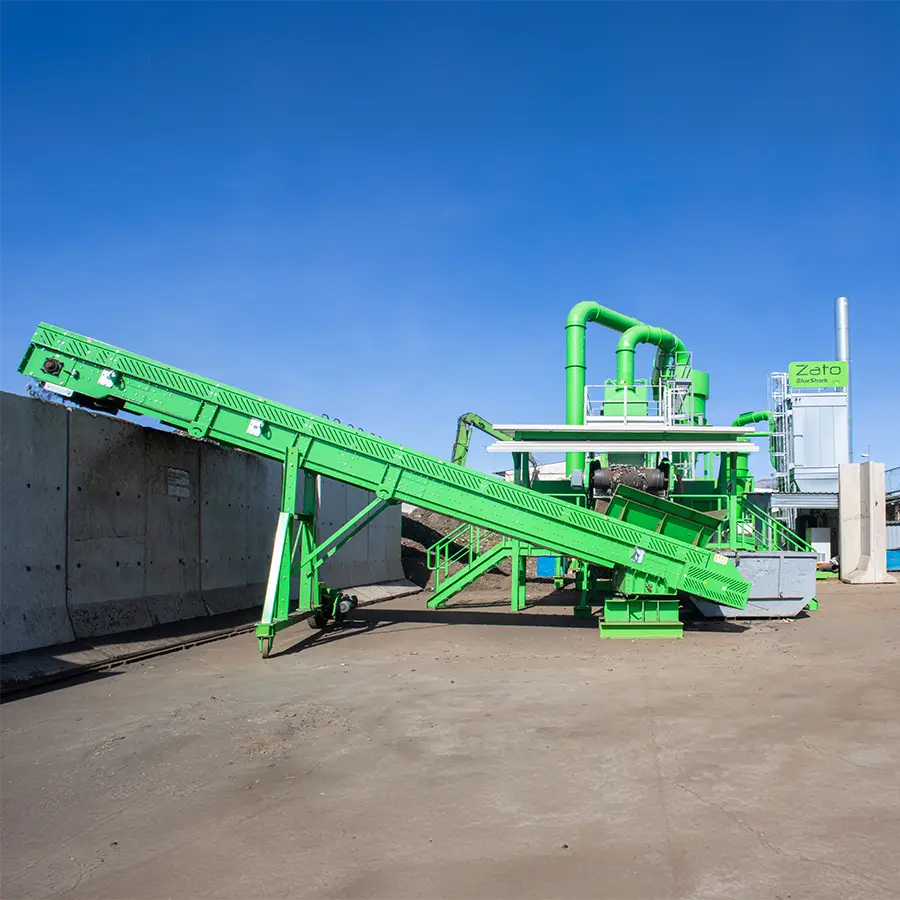
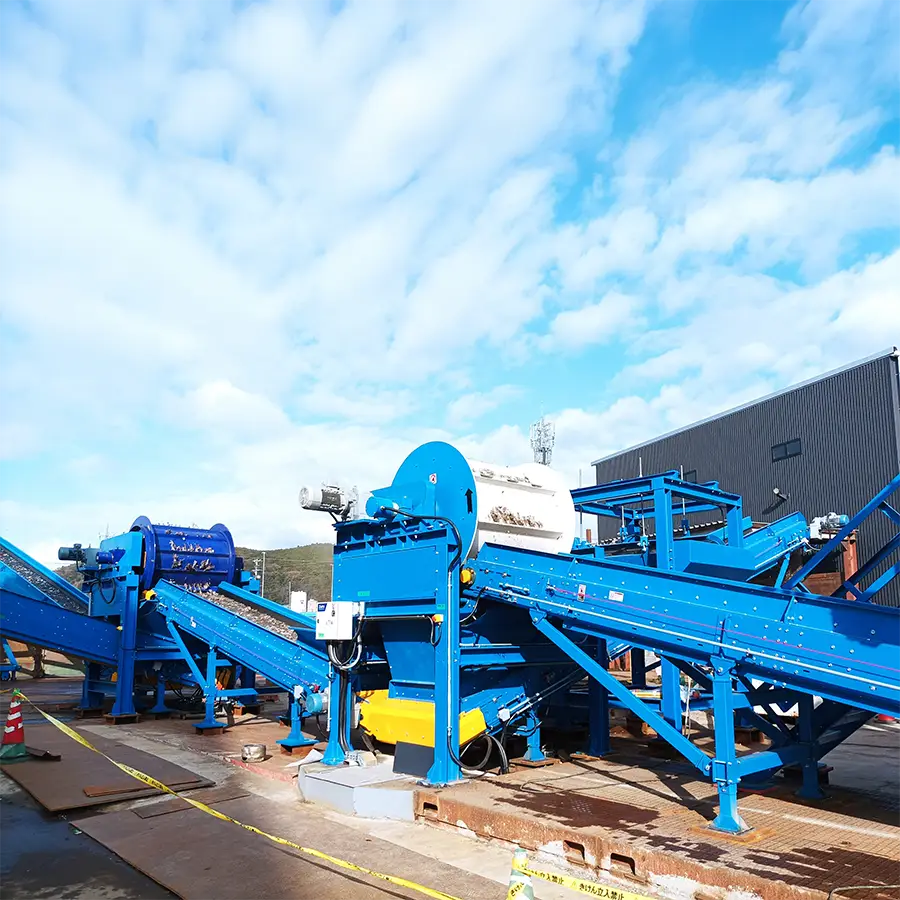
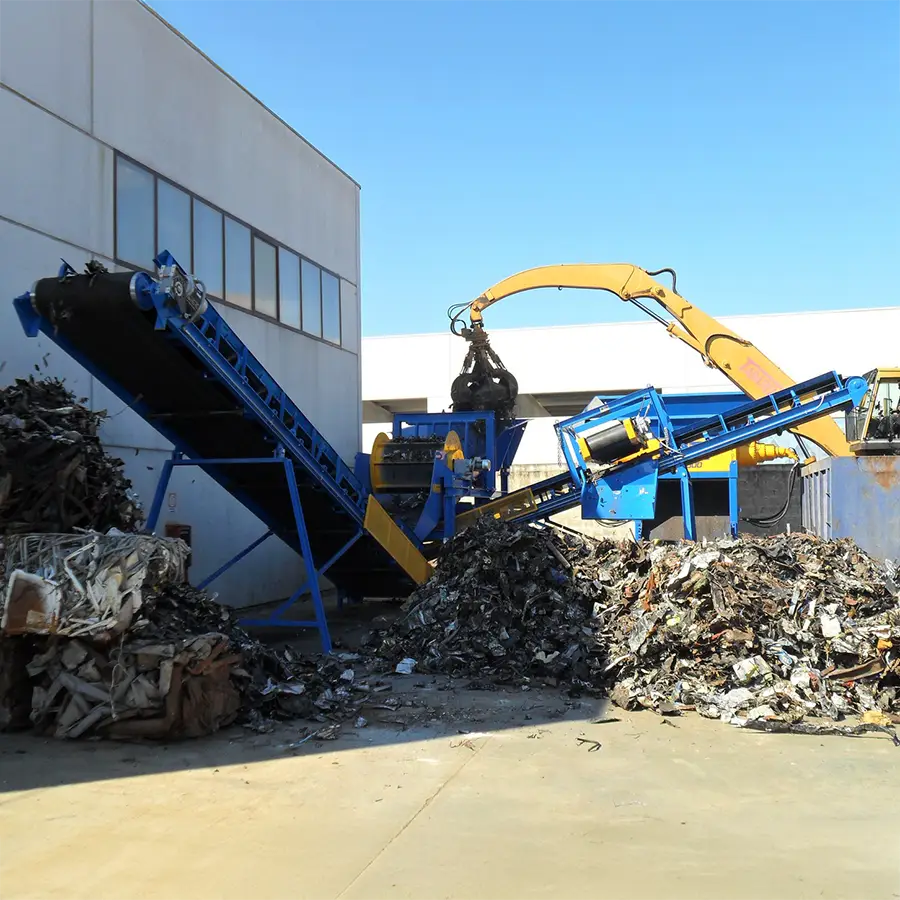
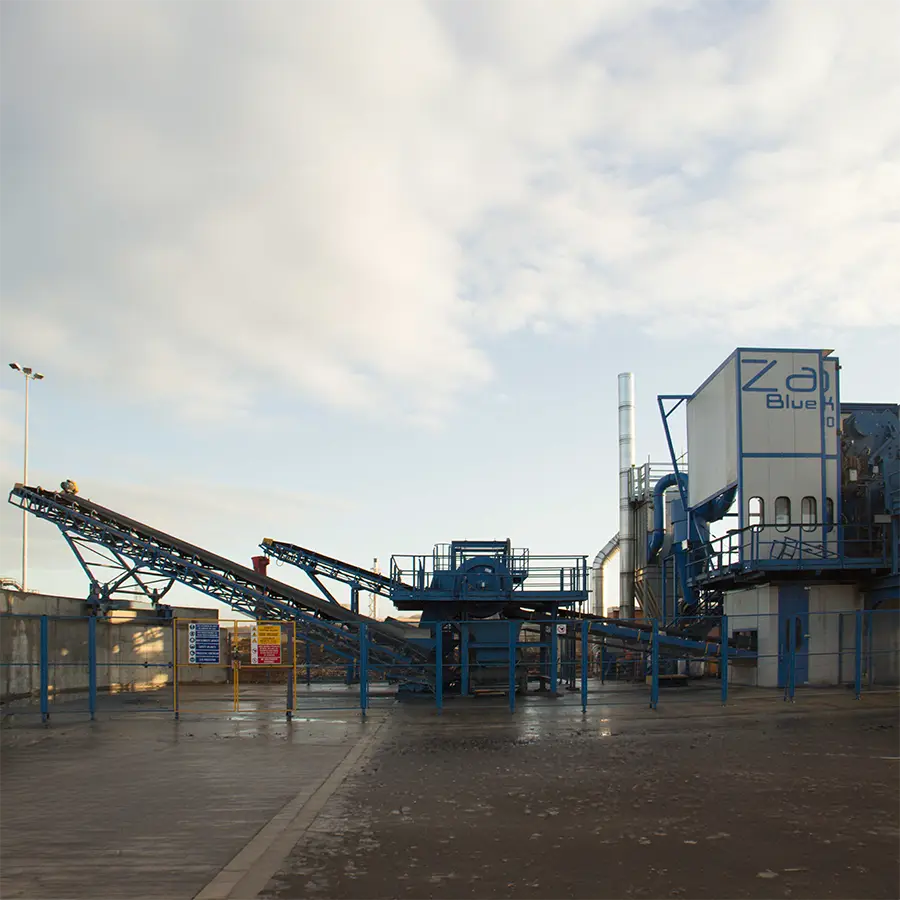
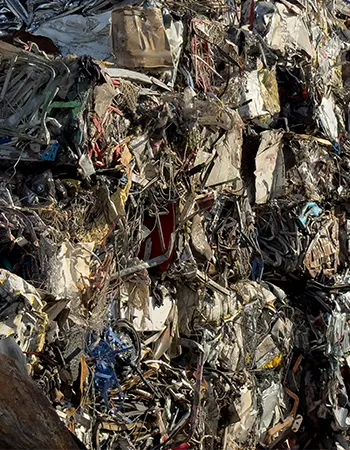
Zato’s Blue Sorter ferrous line uses magnetic separation plants to recover ferrous metals from previously shredded car scrap, mixed collected scrap, household appliances, industrial offcuts, and castings. By combining mechanical, magnetic, and sensor-based technologies, the plant extracts ferrous and non-ferrous material into valuable, individual high-purity streams. The clean ferrous fraction is delivered as E40 ready for casting, while the remaining material can be refined further on a non-ferrous line—maximizing both the quality and the market value of every load that passes through the system.
How ferrous metal separation works
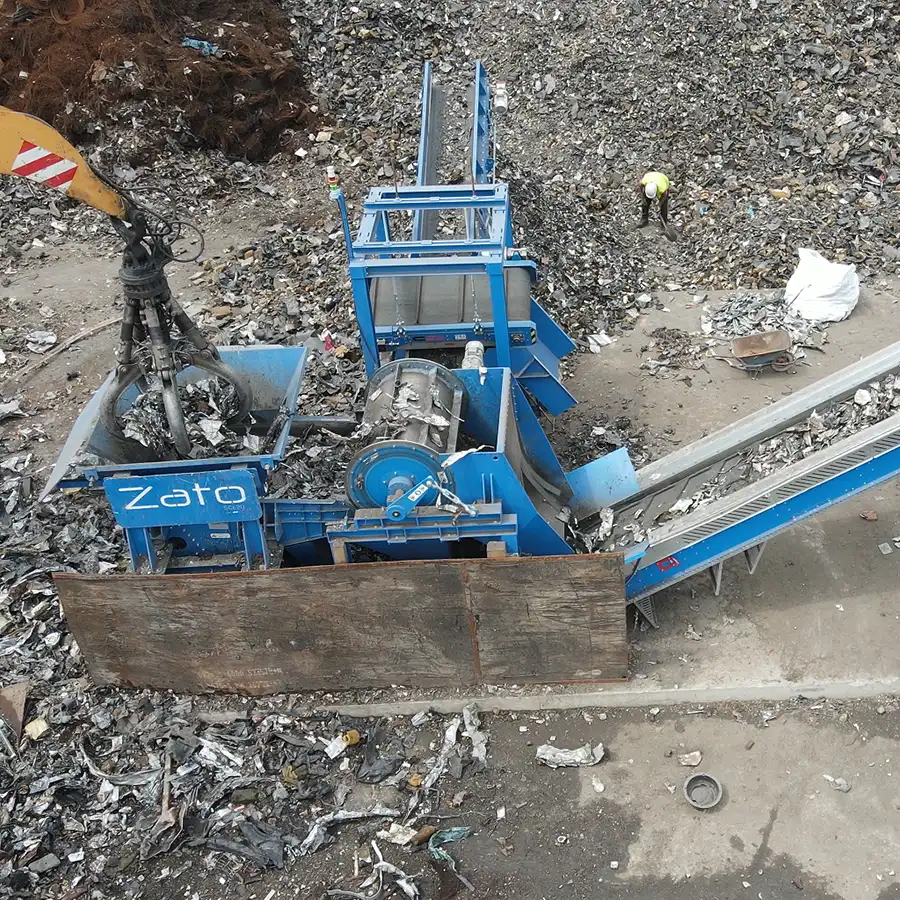
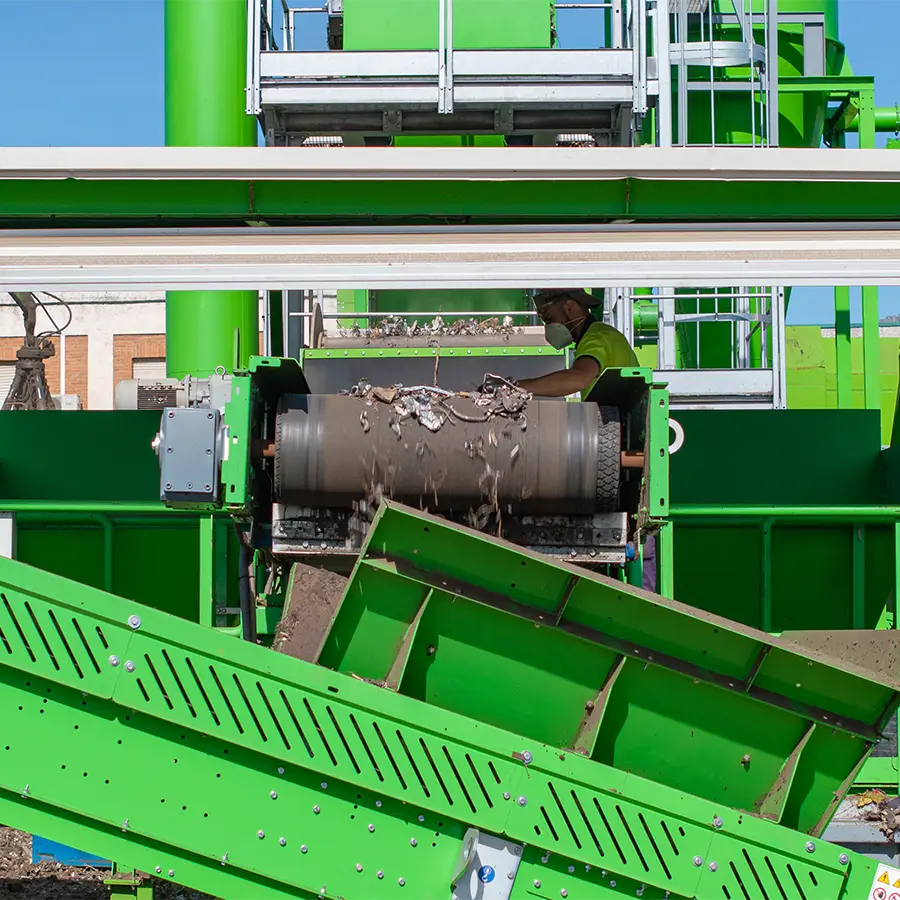
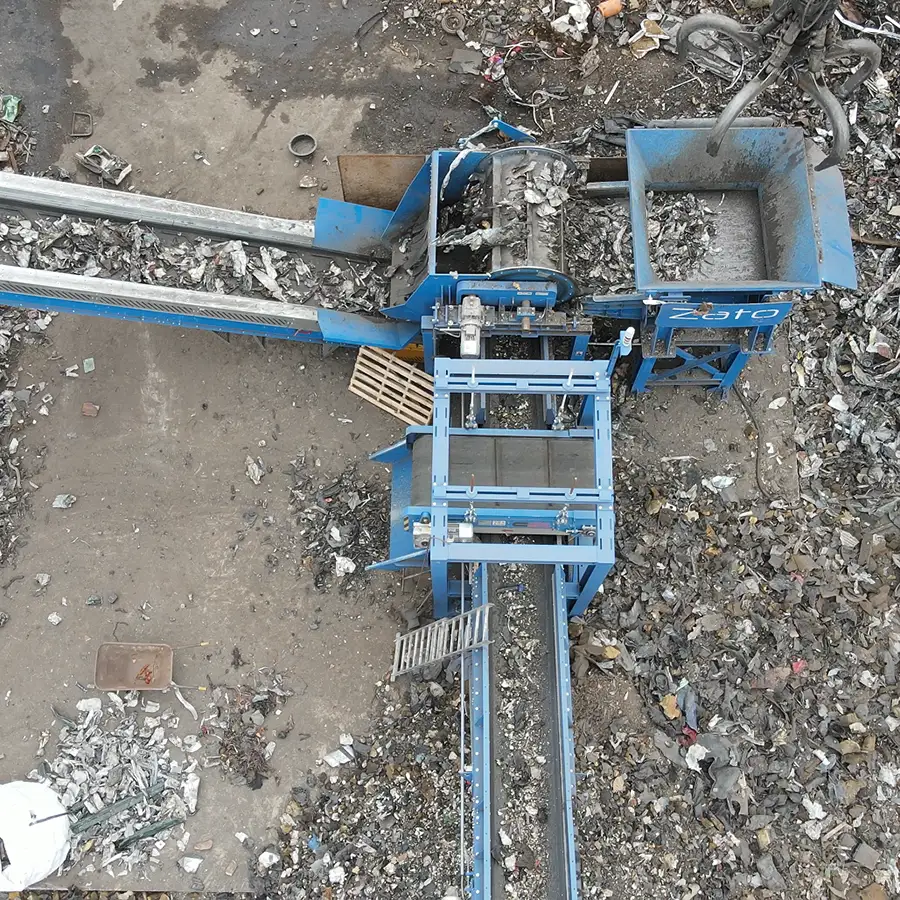
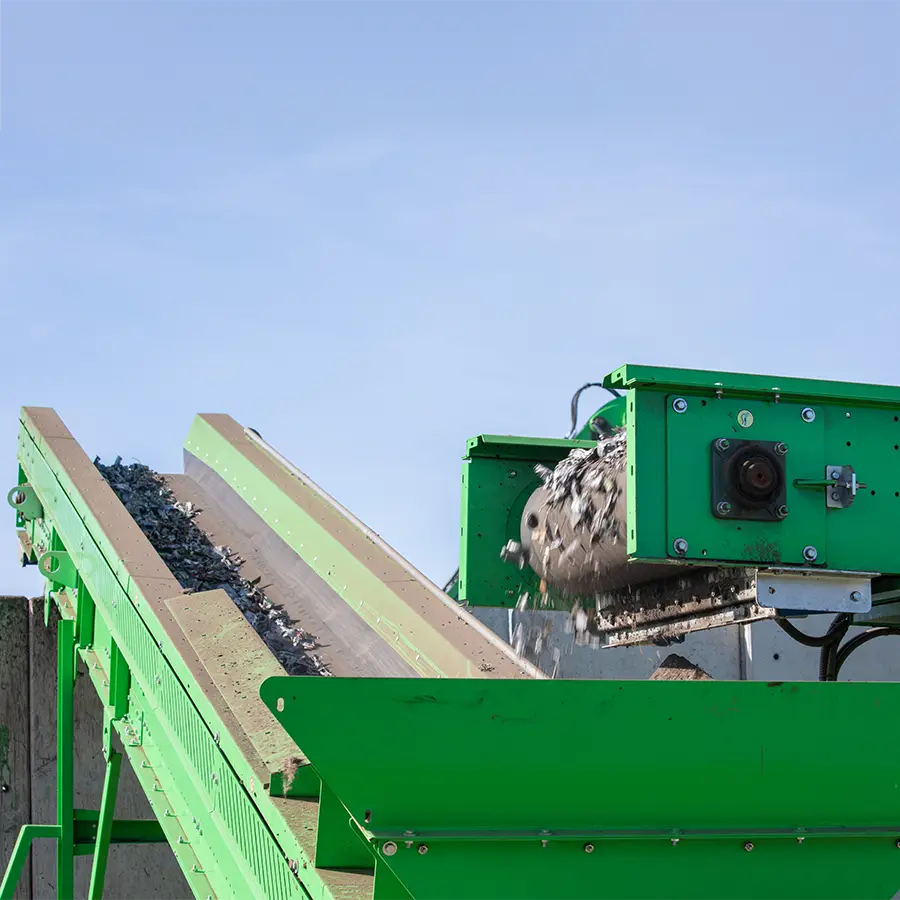
Zato’s approach to ferrous metal separation relies on powerful rotating magnetic drums that attract and hold ferrous metals while non-ferrous and non-metallic material falls away. Built as complete ferrous metal separation plants, these lines turn a mixed shredded stream into two clean, well-defined products, which is what allows the recovered iron to be sold at a higher grade and the rest to be processed downstream.

Technologies used
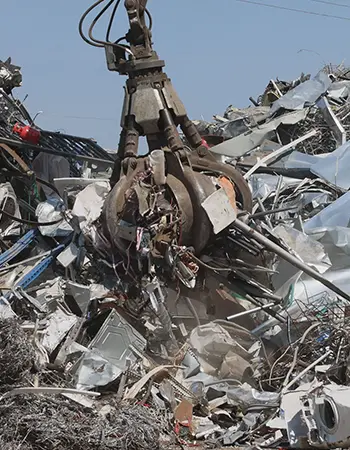
- Power supply and conveyor belt: transport material to the separation plant in a continuous, controlled flow.
- Magnetic drums: rotating drums with powerful magnets attract and hold ferrous metals while non-ferrous material falls away.
Two clean output streams
The process delivers two distinct streams:
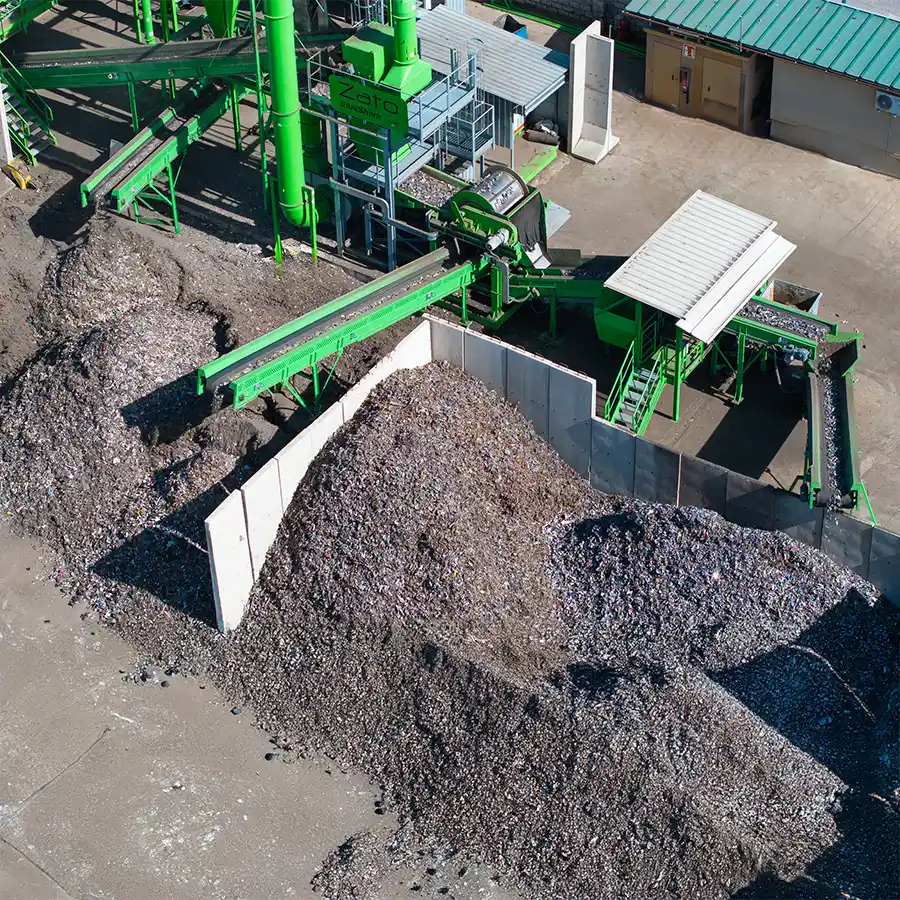
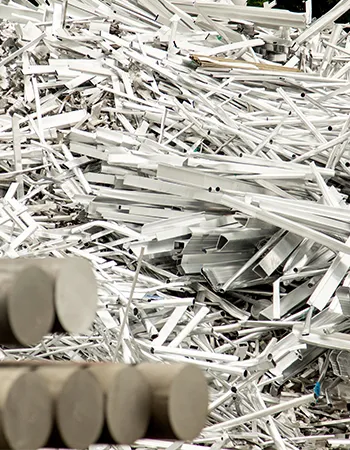
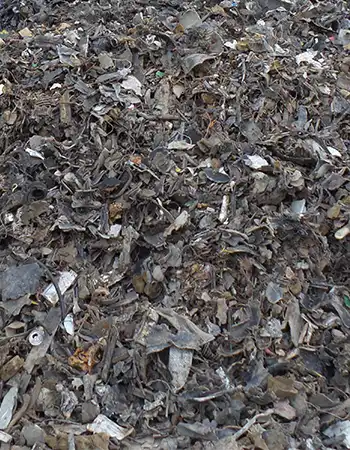
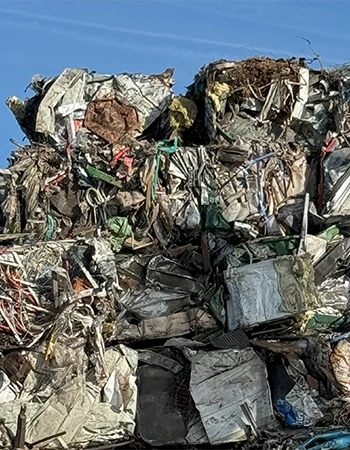
- Accumulation of ferrous E40 scrap, cleaned and ready for casting.
- Accumulation of non-ferrous material (which can contain different metallic and non-metallic materials depending on whether the scrap was processed by a hammer mill or a rotary shredder) that can be further separated on a non-ferrous line.
FAQ
What is a magnetic separation plant used for?
A magnetic separation plant recovers ferrous metals from a mixed, shredded stream using rotating magnetic drums. It is used in metal recycling to produce a clean iron fraction, typically E40 ready for casting, and to remove ferrous contaminants before the remaining material is refined on a non-ferrous line. Zato’s Blue Sorter ferrous performs this first separation step.
How do magnetic drums separate ferrous metals?
Magnetic drums contain powerful magnets that attract and hold ferrous particles as the drum rotates, while non-magnetic material continues along its trajectory and falls away. This produces two distinct flows in a single pass. Zato combines magnetic drums with conveyors and, where needed, sensor-based technologies to raise the purity of the ferrous fraction.
What output quality can ferrous separation achieve?
Properly shredded and separated material can be delivered as clean E40 ferrous scrap ready for casting, which limits the downgrade applied by the steel mill. The achievable quality depends on how well the upstream shredding has liberated the metals; Zato designs the ferrous line together with the shredding stage to optimise the final grade.
Can a ferrous separation plant be combined with non-ferrous separation?
Yes. The Blue Sorter ferrous line is normally the first stage, producing a clean ferrous stream and a non-ferrous residue. That residue is then sent to a non-ferrous line to recover aluminium, copper and brass. Zato builds both stages to integrate so the whole plant can grow modularly.
Does the type of shredder affect ferrous separation results?
Yes. Whether the scrap was processed by a hammer mill or a rotary shredder changes how well the metals are liberated and therefore the composition of each stream. Zato advises on the best combination of shredding and separation for your material so the magnetic stage delivers the cleanest possible ferrous output.
Do you need more information?
Fill out the form, and we will respond to you as soon as possible!
You are reaching out to Zato Europe. If you would like to contact Zato North America, click here