Blue Devil

Blue Devil

The Blue Devil industrial shredder, constructed from high-strength steel, stands as the strongest twin-shaft shredder in its class. Its low shaft speed enables high shredding torques, allowing it to handle particularly challenging materials with unmatched performance.
Designed to minimize dust and noise emissions, the Blue Devil produces limited fines and protects the subsidiary hammer mill from explosions and unshredable materials, increasing both the reliability and efficiency of the hammer mill and, most importantly, the safety of operators.
Zato guarantes maximum quality and can commission a Blue Devil within a week, all without the need for expensive civil works or foundations.

Applications

Impianti trattamento rottame ferroso leggero

Lightweight ferrous
scrap HMS2

Scrap car shredders

Car

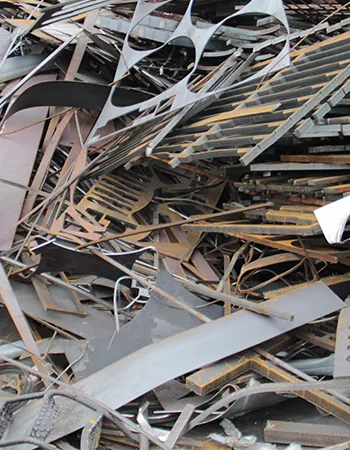
Skeleton plate recycling

Metal sheet

Macchinari trattamento tondino armonico

Harmonic
cable

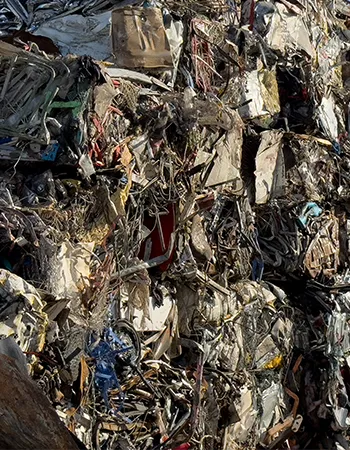
ferrous scrap processing machines parcels

Ferrous scrap baled

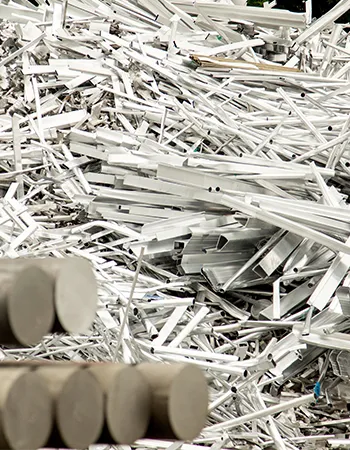
aluminium scrap shredders

Aluminum
profiles

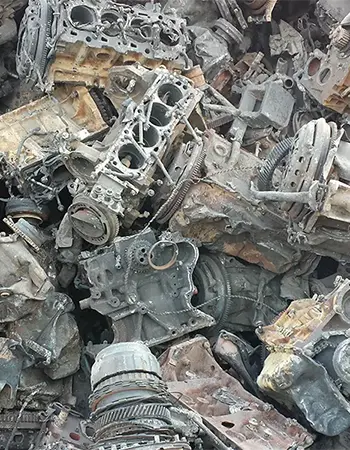
Crankcase recycling machines

Crankcase

aluminium slag machines

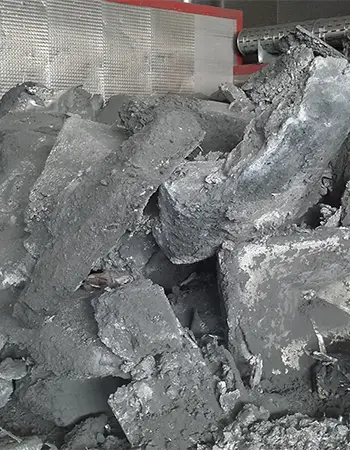
Aluminum
slag

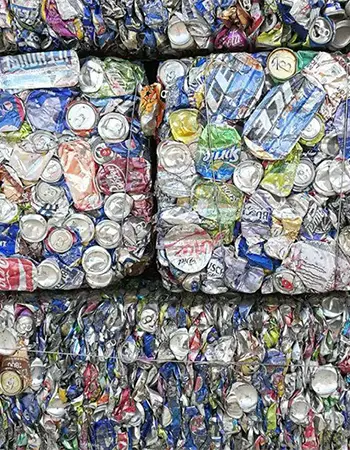
ubc shredding machines

UBC

Impianti per il riciclo e il recupero di pneumatici

Tires

Steel crushing plant production

Steel

Produzione macchine triturazione tondino

Rebar

Bundled car shredding plant production

Cars in packets

General features

  • Constructed of high-strength steel
  • Strongest double shaft shredder in its class
  • Low shaft speed for high shredding torques
  • Minimizes dust and noise emission
  • Eliminates explosions and prevents unshredables from entering the hammer mill, there by reducing down times and consumable costs.
  • Protects the hammer mill, operators and the public from explosions.
  • Highest quality guaranteed
  • Machine commissioning in 1 week
  • Without the need for civil works or other auxiliary structures

Description

The PLC in our industrial shredders seamlessly integrates innovation and automation. It automatically adjusts shaft speed based on the resistance encountered during shredding.

When it detects critical conditions, such as an overload or the introduction of un-shredable material, it can instantly slow or reverse the shaft rotation to prevent damage to the blades and shaft.

Additionally, the PLC monitors key performance indicators (KPIs) and tracks alarms and shutdowns caused by overloads. This system combines efficient components with smart technology solutions, ensuring low operating costs and exceptional performance.

twin shaft industrial shredder blue devil zato

Blue Devil: innovation and remote assistance

The PLC features a responsive 10-inch high-definition touchscreen, enabling direct data uploads and storage on Zato’s service portal. The Blue Devil incorporates cutting-edge digital technologies, such as Augmented Reality (AR) and Industry 4.0, allowing our technicians to assist with plant operations, installations, maintenance, and scheduled checks remotely. Customer service requests are handled promptly, minimizing downtime.
Our extensive experience is backed by a global network of installed machines and a dedicated, professional service team capable of identifying effective, cost-efficient solutions. The strategic presence of spare parts worldwide further enhances our support.

Key Features:

  • Innovative, automated PLC for our industrial shredders
  • Automatic management of shaft shifting and speed adjustments based on resistance during shredding
  • Automatic detection of critical situations, such as overloads or un-shredable materials
  • Immediate preventive measures to avoid damage to the shaft or blades
  • Tracking of performance variables (KPIs) and monitoring of alarms and shutdowns due to overloads
  • Efficient components and smart technology solutions for low operating costs and superior performance

Dimensions

FAQ

How can we reduce explosions in the hammer mill?

Explosions in hammer mills are often caused by gas cylinders, airbags, or pressurized containers present in the scrap. Given the high volumes processed, it is difficult to ensure complete decontamination before feeding. The most effective solution is the use of a twin-shaft shredder as a pre-shredder, capable of opening and neutralizing the sources of explosion at their origin. This strategy can reduce the risk of explosions by up to 95%, limit damage to equipment, lower maintenance costs, and ensure continuous operation.

How can we increase the productivity of the hammer mill?

The productivity of a hammer mill improves significantly when the input material is homogeneous and pre-treated. Using a twin-shaft shredder helps reduce the size of the scrap, eliminate non-shreddable materials, and ensure a consistent feed. This reduces residence time in the grinding chamber, lowers the risk of downtime, and extends the lifespan of internal components. The result is a more efficient, safer system with reduced operating costs.

How can scrap volume reduction be optimized?

To optimize the volume reduction of metal scrap, especially light scrap, it is recommended to use a twin-shaft shredder. This technology densifies the material, facilitates impurity separation, and ensures high throughput at low operating costs. Unlike hammer mills or inclined shears, the shredder operates continuously and efficiently, improving logistics and the overall cost-effectiveness of the recycling process.

How can we reduce scrap transportation costs?

Untreated metal scrap takes up a large volume compared to its weight, resulting in high transport costs. The most effective solution is shredding, which increases material density by up to 3–4 times. This allows more scrap to be loaded into the same truck volume, reducing the number of trips required and lowering overall handling and transport costs.

How can explosions in a steel mill furnace be reduced?

To reduce explosions in the furnace, it is essential to avoid feeding materials that contain liquids or compressed gases. A twin-shaft shredder helps eliminate gas cylinders, pressurized containers, and residual liquids before melting. In addition to enhancing safety, this process reduces the number of baskets required, shortens the tap-to-tap cycle, and increases the furnace’s overall productivity.

Do I need a foundation or special flooring to install the preshredder?

The twin-shaft shredder does not require special foundations. A flat surface capable of supporting a static load of up to 70 tons is sufficient. This simplifies installation, reduces infrastructure costs, and makes the system easy to integrate into various plant layouts.

How can we avoid or reduce downtime in hammer mills?

Downtime in hammer mills is typically caused by routine maintenance or unexpected damage due to explosions or non-shreddable materials. Using a twin-shaft shredder as a pre-shredder helps intercept problematic elements and reduces wear on internal components. This leads to smoother operation, fewer emergency interventions, and increased plant uptime.

What is the most effective way to prepare material before a decoater?

The most effective way to prepare material for a decoater is by using a twin-shaft shredder. This shredding process reduces scrap size, homogenizes the feed, and removes surface impurities before thermal treatment. Well-prepared scrap improves decoater efficiency, ensures more uniform coating removal, and maximizes the recovery of clean aluminum. Additionally, the initial densification allows for better logistics and reduced energy consumption in the furnace, optimizing the entire recycling process.

Do you offer test runs with my own material?

Yes, it is possible to test the machine using your own material.
We take a practical and transparent approach: we believe it is essential for the customer to evaluate the machine’s performance before purchasing.
For this reason, we offer the opportunity to organize an operational test using your material on an already installed and running machine.
During the test, you will be able to assess the output quality, particle size, density, and overall compatibility with your production process.

How many days are needed to install a pre shredder?

The installation of a shredder generally requires three working days.
During this time, all positioning, mechanical and electrical connections, and functional checks of the system are carried out.

The fourth day is dedicated to operational testing with the customer’s material, under the supervision of specialized technicians.
In this phase, the machine is tested under real operating conditions, with any final adjustments made to optimize performance.

What is the delivery time for the pre shredder?

To ensure fast delivery and efficient service, Zato’s Blue Devil shredder is usually available for shipment the day after order confirmation.
We consider speed and customer focus to be among our core strengths.

Are there customizable or tailor-made models of preshredder available?

No, our production is based on standardized models.
This approach allows us to ensure short delivery times, spare parts always available, and quick, efficient maintenance.
Standardization means offering reliability, operational continuity, and faster technical support — without compromising performance.

I’m considering replacing or complementing my shear baler: what’s the most efficient alternative?

When a shear baler reaches its maximum operating capacity, the most strategic choice is not to purchase a larger model, but rather to integrate a Blue Devil twin-shaft shredder.
This solution increases the overall productivity of the plant, improves material flow management, and allows for better distribution of workload across multiple processing lines.
The shredder works in synergy with the shear baler, handling both light and heavy scrap, and offers greater operational flexibility over time, avoiding future capacity saturation.

What is the best process to maximize the value of scrap intended for export in containers (India, Pakistan, Bangladesh)?

The most effective solution is shredding, which significantly increases scrap density and reduces the transport cost per ton.
The twin-shaft shredder is ideal for this purpose thanks to its low operating costs, compact footprint, and the fact that it does not require complex air filtration systems. This allows for optimized logistics and improves the competitiveness of exported material.

What are the operating costs of an industrial shredder?

The operating costs of an industrial shredder are approximately €8 per ton, which is significantly lower than those of a hammer mill, typically ranging from €25 to €40 per ton.
This makes the shredder a highly cost-effective solution for scrap processing.

Which machine can process OTR tires?

The most effective solution for processing Off-The-Road (OTR) tires is the twin-shaft shear shredder.
Its robust design and low-speed, high-torque cutting technology make it ideal for cutting large-diameter tires and preparing them for subsequent shredding and separation stages.
It is widely recognized as the primary shredder of choice for OTR tire applications.

How can power surges in the hammer mill be reduced?

Power surges can be minimized by feeding the hammer mill with homogeneous material free from unshreddables.
Using a twin-shaft shear shredder helps break up bales and perform controlled shearing, resulting in a consistent and uniform material flow.
This ensures more stable operating conditions for the mill, reducing electrical and mechanical stress and improving plant uptime.

Do you need more information?

Fill out the form, and we will respond to you as soon as possible!

You are reaching out to Zato Europe. If you would like to contact Zato North America, click here

    I confirm that I have read the privacy policy and consent to the processing of the provided data. *

    Go to Top