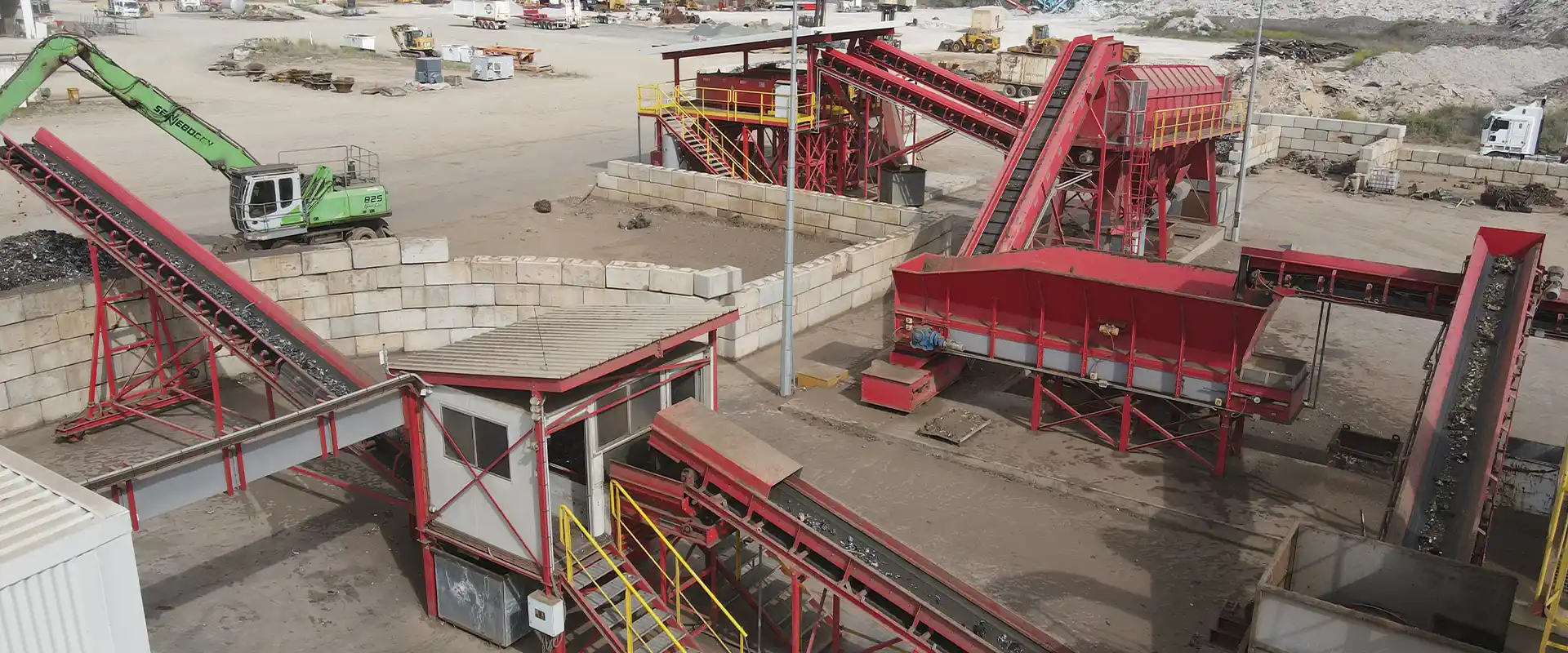
Scrap cleaning plants

SCRAP CLEANING PLANTS

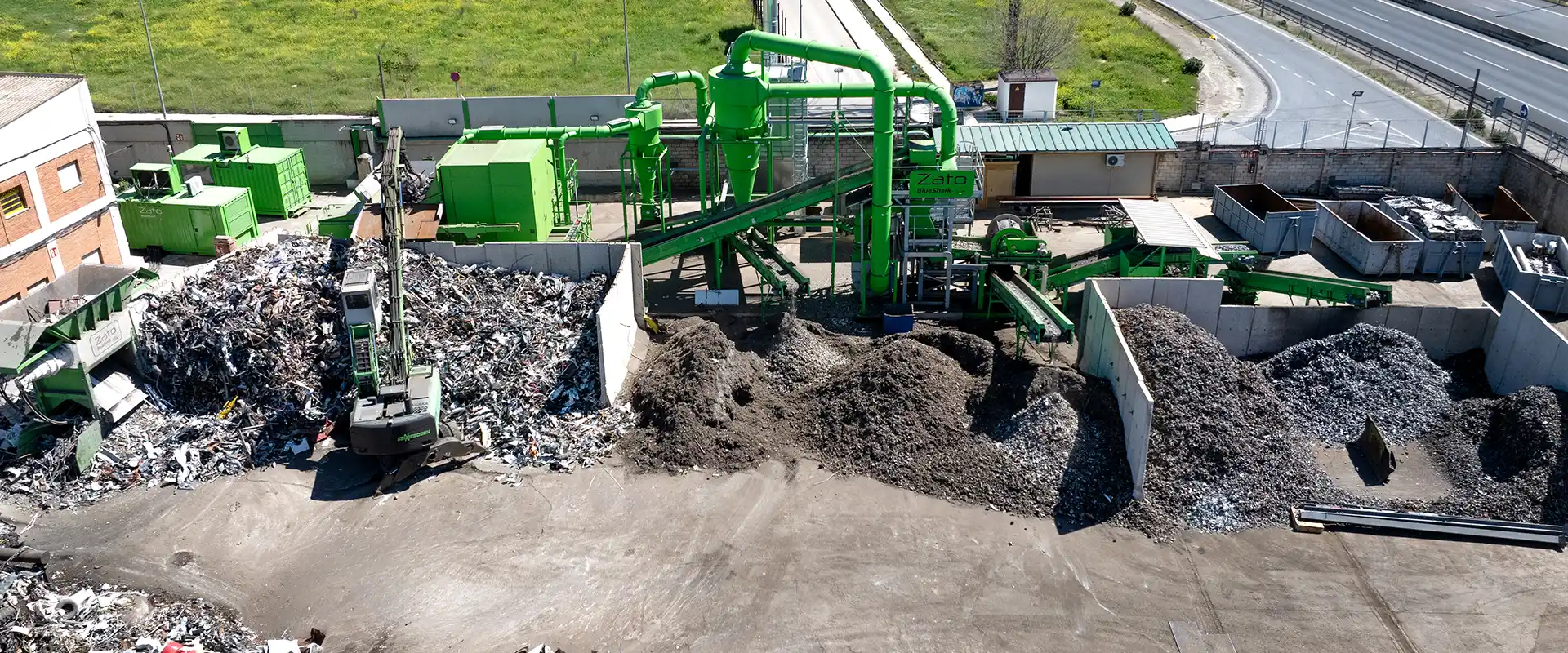
Blue Sorter separation lines efficiently sort and separate all metals from the output of Single Shredders, Twin Shaft Shredders, and Hammer Mills.

Impianti di separazione metalli ferrosi

Blue Sorter Ferrous

Impianti di separazione metalli non ferrosi

Blue Sorter non-ferrous

installations separation metals ferrous not ferrous

Separation of ferrous and non-ferrous metals

Downstream of the shredding and shuttering facilities, these separation systems are essential for the efficient recycling of metals thanks to their ability to sort different metal fractions such as iron, aluminium, copper, brass, etc. These lines are thus able to offer significant economic and environmental benefits by delivering high value materials to the steel market

Video separation lines

Blue Sorter

From metal pre-shredding to separation: the Empaquetados case study

Zato | An integrated metal recycling system in Panama

Zato | Pre-shredder, hammer mill and separation lines combo for metal recovery

Zato | Integrated recycling system for higher-quality scrap

The ideal scrap yard: Access Metal Recycling chooses Zato industrial shredders

Synergy between Zato industrial shredder and separation lines in scrap shredding

Perfect combo: Blue Devil twin-shaft shredder, Blue Shark hammer mill, Blue Sorter separation line

Blue Shark, Blue Devil, Blue Sorter: the Trio of metal recycling plants

Separation plants for ferrous and nonferrous metals are ideal for separating:

Impianti trattamento rottame ferroso leggero

Lightweight ferrous
scrap HMS2

Scrap car shredders

Car

ferrous scrap processing machines parcels

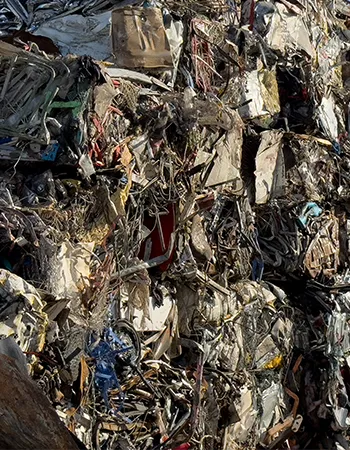
Ferrous scrap baled

aluminium scrap shredders

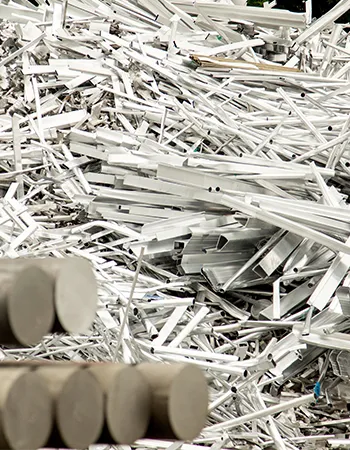
Aluminum
profiles

asr shredding plant manufacturers

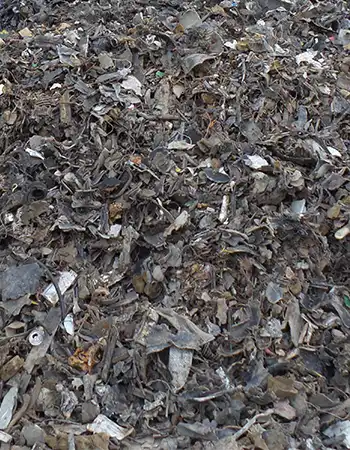
ASR

Bundled car shredding plant production

Cars in packets

FAQ

How can Zorba recovery be optimized?

Efficient Zorba recovery begins with selecting the right grinding system. A hammer mill offers the best liberation of non-ferrous metals compared to twin-shaft or single-shaft shredders, which are more suitable for simpler materials. Once ferrous components are removed using magnets, Zorba – a mix of aluminum, copper, brass, zinc and other metals – can be optimally separated using a combination of eddy current systems, Z-Box and sensor-based sorting. The integration of these technologies, backed by years of process know-how, ensures high-purity recovery and maximum material value.

Can I start with a simpler recycling plant today and expand it later without having to replace everything?

Yes, Zato solutions are designed with a modular architecture, ideal for metal recycling plants. You can start with a basic setup – such as a twin-shaft shredder – and later integrate cleaning lines or hammer mills. Unlike stand-alone systems, which are often difficult to expand, Zato technology enables scalable growth without replacing existing machinery. This approach ensures long-term operational continuity and optimal investment use.

Can I connect my industrial shredder directly to the separation line without using a loader or intermediate steps?

In general, we recommend using a loader between the industrial shredder and the separation line. The shredder produces material with varying volume distribution, and a second processing step is often needed. However, in optimized setups, a single operator can handle both re-processing and feeding the line, avoiding additional belts or staff. This keeps costs low and enables scrap to be sold at E40/Proler-level prices.

Are there customizable or tailor-made models available?

Yes, depending on the type of input material and the desired output, we offer a plant tailored to specific requirements. The final setup is designed according to operational needs, available space, and production goals.

How scalable is the separation line?

The separation line is fully scalable based on operational needs and the type of material processed. We can start with a basic setup using a magnetic drum separator, ideal for early-stage yards, and expand to include advanced solutions like air separation (light/heavy), screening systems, eddy current separators, inductive sensors for stainless steel and insulated copper wires (Zurik and ICW), as well as X-ray (XRT, XRF) and LIBS technologies. Each system is designed to maximize the recovery and purity of the processed scrap.

How can I reduce the yield loss applied by the steel mill?

The downgrade (or “loss factor”) applied by the steel mill is often due to non-ferrous residues in the delivered material. Many operators install cleaning lines in their yards to remove contaminants before delivery. The most effective approach is to shred the scrap to release impurities, then eliminate them using magnetic and air separation systems. This improves the scrap quality and minimizes the downgrade applied during melting.

Do you need more information?

Fill out the form, and we will respond to you as soon as possible!

You are reaching out to Zato Europe. If you would like to contact Zato North America, click here

    I confirm that I have read the privacy policy and consent to the processing of the provided data. *

    Go to Top